Toenail Fungus Laser Treatment
Toenail fungus (onychomycosis) affects millions of Americans and is notoriously difficult to treat with over-the-counter products alone. Dr. Bregman offers advanced MLS Class IV laser therapy — the most effective, safest, and fastest path to clear, healthy nails.
Understanding Onychomycosis
Onychomycosis is a fungal infection of the toenail caused most commonly by dermatophytes (particularly Trichophyton rubrum), though yeasts and molds can also be responsible. The infection lives beneath the nail plate, making it difficult for topical treatments to penetrate effectively.
The condition is more common in older adults, people with diabetes, those with compromised immune systems, and individuals who frequent communal areas such as pools and locker rooms. It is not merely a cosmetic issue — untreated fungal nails can cause pain, difficulty walking, and secondary bacterial infections.
Dr. Bregman takes a comprehensive approach: confirming the diagnosis with culture or PCR testing, treating the active infection, and addressing the underlying factors that predispose to recurrence.
Signs of Toenail Fungus
Why Laser Is the Gold Standard
MLS Class IV laser therapy delivers targeted energy directly through the nail plate, heating fungal organisms to lethal temperatures while leaving surrounding tissue completely unharmed.
No Systemic Side Effects
Unlike oral antifungals, laser therapy has zero risk of liver toxicity, drug interactions, or systemic effects.
Penetrates the Nail
Laser energy reaches the fungus living beneath the nail plate where topical creams cannot.
Safe for Diabetics
No blood thinning, no metabolic concerns — safe for patients with diabetes and complex medical histories.
In-Office Procedure
Each session takes 20–30 minutes with no downtime. Walk in, walk out.
What to Expect
Number of Sessions
Most patients require 3–6 sessions, spaced 4–6 weeks apart. Severe infections may require more. Results are visible as the new, clear nail grows in over 6–12 months.
During Treatment
You may feel a warming sensation during the procedure. Most patients describe it as comfortable. No anesthesia is required. You can resume normal activities immediately.
Success Rate
Clinical studies show laser treatment achieves nail clearance in 70–80% of cases. Dr. Bregman combines laser with topical antifungals and preventive protocols to maximize outcomes.
Real Patient Before & After Results
These photos represent actual outcomes from laser toenail fungus treatment. Individual results vary based on severity of infection, number of sessions, and patient compliance with the full treatment protocol.
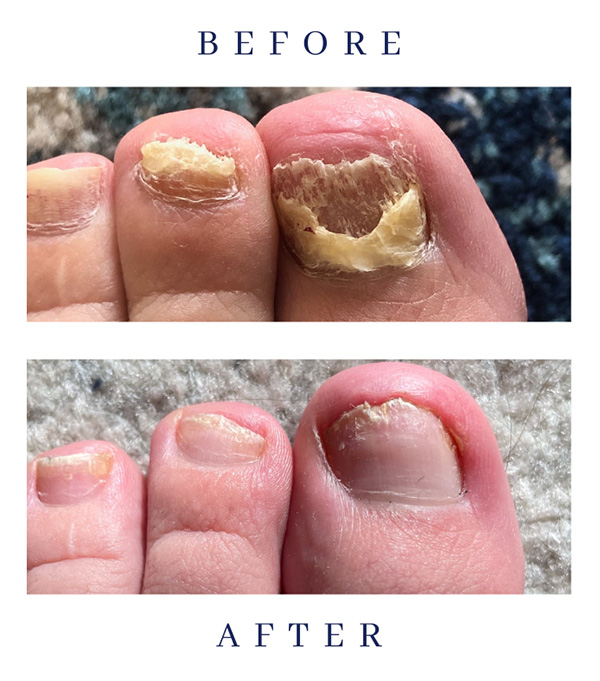
Before & After — Class IV Laser Treatment
Significant clearing of fungal infection after a series of laser sessions
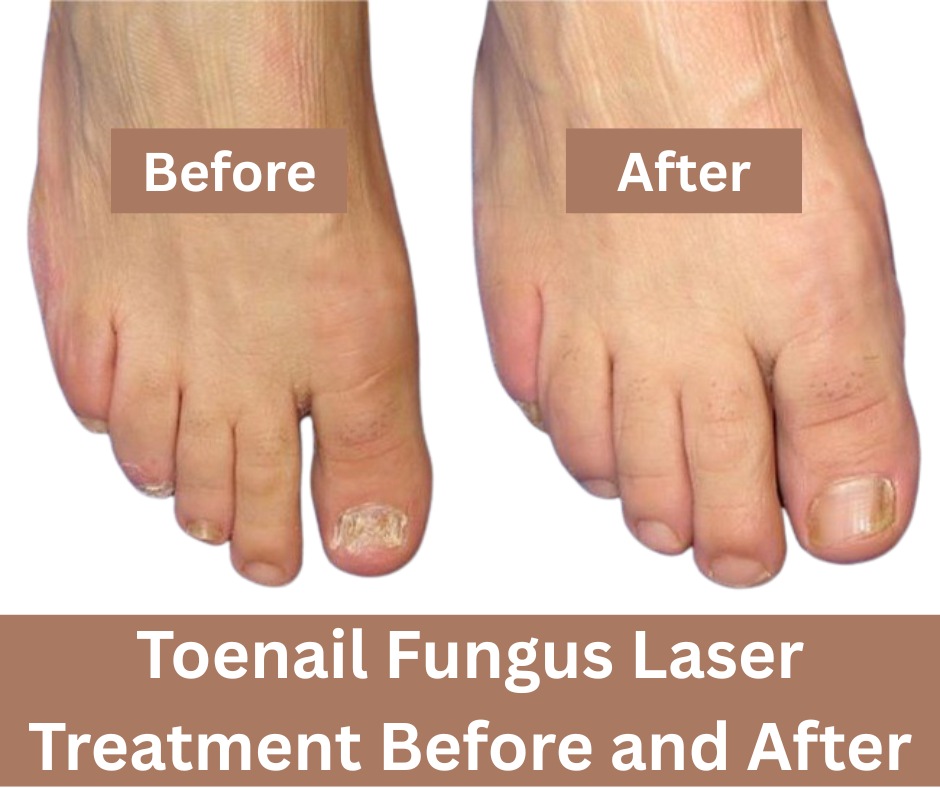
Before & After — Full Foot Restoration
Complete nail clearing following comprehensive laser protocol
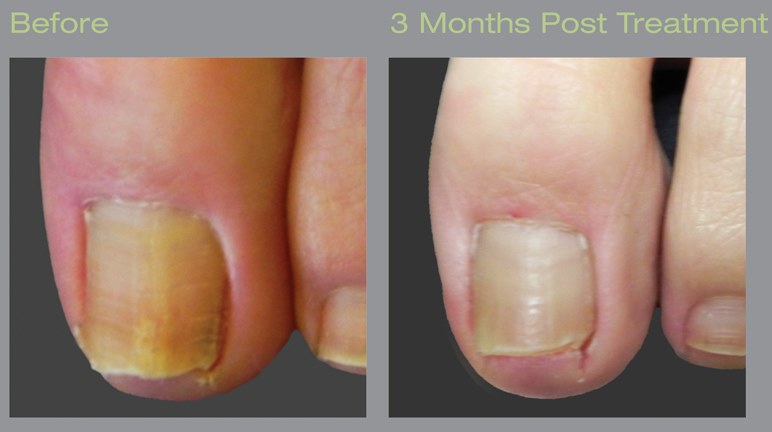
3 Months Post-Treatment
Clear healthy nail growth visible at 3-month follow-up
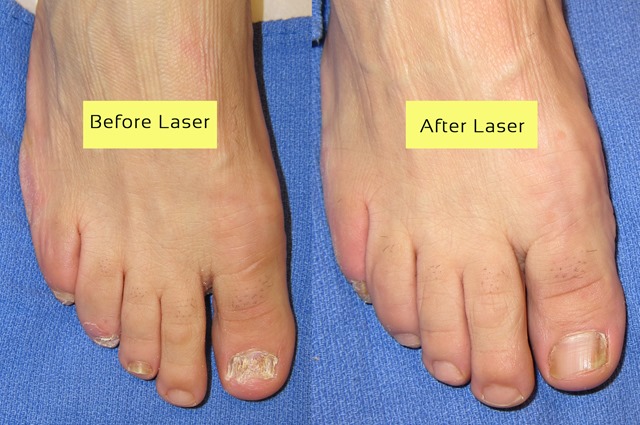
Before & After Laser
Dramatic improvement in nail clarity and texture after laser treatment series
Photos are for illustrative purposes. Results shown are representative of typical outcomes and are not a guarantee of individual results.
Complete Treatment Options
Laser Therapy (MLS Class IV)
Laser energy penetrates the nail plate and heats the fungal organisms to lethal temperatures without damaging surrounding tissue. No systemic side effects, no liver monitoring required.
- ✓ No side effects
- ✓ No drug interactions
- ✓ Safe for diabetics
- ✓ In-office — no downtime
Topical Antifungals
Prescription topical agents (ciclopirox, efinaconazole, tavaborole) can be effective for mild, superficial infections and are often used alongside laser therapy for best results.
- ✓ No systemic effects
- ✓ Easy to apply
- ✓ Good for maintenance
- ✓ Often insurance covered
Oral Antifungals
Terbinafine and itraconazole are highly effective but require 3–6 months of treatment and periodic liver function monitoring. Dr. Bregman evaluates each patient's health history carefully.
- ✓ High cure rate (70–80%)
- ✓ Treats nail bed directly
- ✓ Shorter treatment course
- ✓ Insurance covered
Preventing Recurrence
Toenail fungus has a high recurrence rate — up to 25% within 3 years — without proper preventive measures. Dr. Bregman provides a comprehensive prevention protocol as part of every treatment plan.
Keep feet clean and dry
Dry thoroughly between toes after bathing. Use moisture-wicking socks.
Wear breathable footwear
Avoid tight, non-breathable shoes. Alternate shoes daily to allow drying.
Use antifungal powder or spray
Apply to shoes and feet, especially after communal areas.
Trim nails properly
Cut nails straight across and keep them short. Avoid cutting too close to the skin.
Wear sandals in communal areas
Pools, locker rooms, and showers are common sources of reinfection.
Treat athlete's foot promptly
Tinea pedis (athlete's foot) is caused by the same organisms and can spread to the nails.
Clear, Healthy Nails Are Possible
Don't let toenail fungus affect your confidence or comfort. Schedule a consultation with Dr. Bregman to discuss the most effective laser treatment plan for your situation.